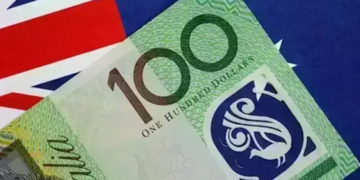









Australia and the European Union have finalized a long-negotiated trade agreement, concluding eight years of discussions. The deal eliminates tariffs on nearly all European exports to Australia and on most Australian critical mineral exports to Europe.

Negotiations accelerated as both sides responded to increased U.S. tariffs introduced during the Trump administration. Alongside the trade pact, Australia and the EU also agreed to strengthen cooperation in security and defence.
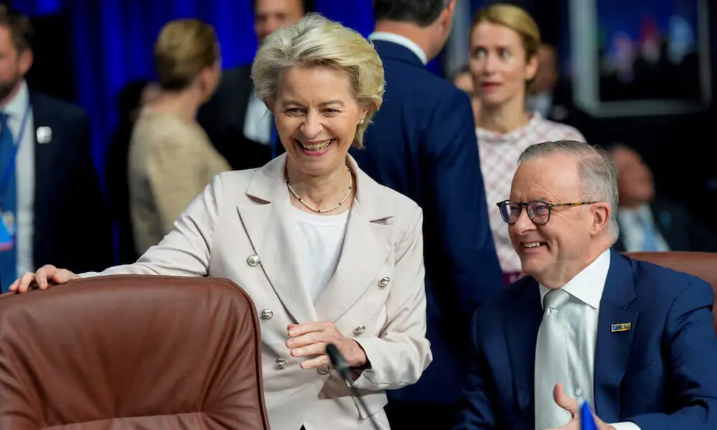
European Commission President Ursula von der Leyen said, “The EU and Australia may be geographically far apart but we couldn’t be closer in terms of how we see the world,” and added, “With these dynamic new partnerships on security and defence, as well as trade, we are moving even closer together.”
The agreement is expected to remove over 99% of tariffs on EU goods entering Australia, saving European companies about €1 billion annually and potentially boosting EU exports by up to 33% over the next decade.
Australian Prime Minister Anthony Albanese stated that the deal could contribute around A$10 billion each year to Australia’s economy. He also noted that eliminating tariffs on Australian critical minerals in the EU would support more stable global supply chains.
The EU has been aiming to reduce reliance on China—especially for critical minerals—and this deal reflects Europe’s broader push to strengthen ties in the Indo-Pacific, following recent agreements with Indonesia and India.
Under the deal, the EU gains greater access to Australia’s telecom and financial services sectors. In agriculture, Australia will immediately remove tariffs on products like wine, sparkling wine, fruit, vegetables, and chocolate, while tariffs on cheese will be phased out over three years.
On beef previously a major obstacle in failed 2023 negotiations the EU will introduce tariff-rate quotas totaling 30,600 tons, with about 55% allowed in duty-free.
Trade between the two economies is already significant, with EU exports to Australia reaching €37 billion in goods in 2025 and €28 billion in services in 2023. The EU is also one of Australia’s top trading partners and a major source of foreign investment.
As part of the security agreement, both sides will enhance intelligence sharing and collaborate more closely to address global threats, including online radicalization and terrorism financing.