


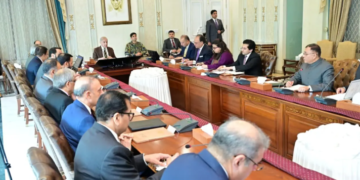




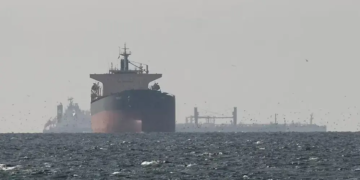






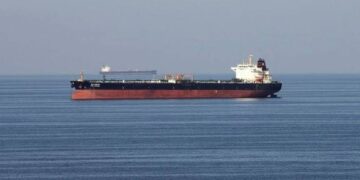






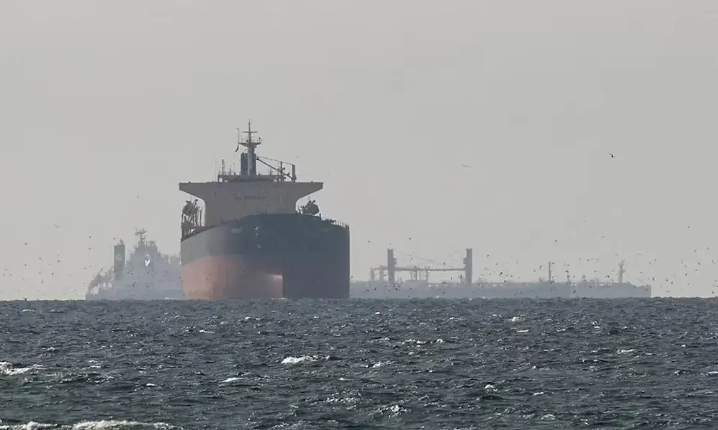
The president of the Federation of Pakistan Chambers of Commerce and Industry (FPCCI), Atif Ikram Sheikh, has warned that rising geopolitical instability in the Gulf region is threatening Pakistan’s export competitiveness. He noted that roughly 80% of Pakistan’s crude oil imports and around one-quarter of its liquefied natural gas (LNG) shipments pass through the Strait of Hormuz, meaning any prolonged disruption could place serious pressure on foreign exchange reserves and drive inflation.

In a statement released Monday, Sheikh said escalating military tensions in the Middle East and the shutdown of the strategic waterway have alarmed Pakistan’s trade and industrial sectors. Business leaders fear that higher freight charges and shipment delays could significantly affect the country’s economic stability.
“Sheikh highlighted that following the outbreak of the Iran conflict in late February 2026, global shipping markets have been thrown into turmoil,” the FPCCI said in a press release.
“With commercial vessel traffic through the strategic waterway grinding to a halt and shipping lines having imposed crippling war-risk surcharges – raising fears of a balance of payments crisis for Pakistan,” the president was quoted as saying.
Sheikh added that the financial impact on logistics has been swift and severe, with container freight costs on major shipping routes rising sharply.
According to him, shipping companies have introduced emergency war-risk surcharges ranging between $1,500 and $3,500 per standard container (TEU).
“President FPCCI has cautioned that these logistical bottlenecks could spell disaster for the nation’s premier export sectors as transit times to our key markets in the European Union and the United States are expected to increase by 15 to 20 days due to vessels rerouting.
If these supply chain disruptions persist, the value-added textile sector alone could witness a 10 to 20 per cent drop in exports this month – and, we cannot afford to have our trade deficit widen under the current IMF program,” he added.
Sheikh further said the crisis is already affecting the domestic economy, with transshipment rollovers and significant delays being reported at Karachi’s port terminals after major global shipping companies suspended bookings for cargo bound for Gulf destinations.
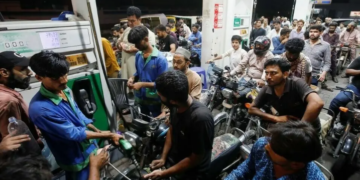
Meanwhile, FPCCI Senior Vice President Saquib Fayyaz Magoon noted that the situation has worsened for manufacturers following a Rs55-per-litre increase in domestic diesel prices, which has raised inland transportation costs by an estimated 15–25%.
Industry representatives say that the usual 30-day fixed inland freight contracts are no longer sustainable, leaving exporters exposed to frequent fuel price fluctuations.
The FPCCI has urged the government to develop an urgent contingency plan. Proposed measures include exploring business-to-business barter trade arrangements with regional partners and securing alternative fuel supply sources to shield the domestic market from the broader global economic shock.