











ISLAMABAD: The International Monetary Fund (IMF) has started discussions with Pakistani authorities for the next review of its ongoing programme, aiming to evaluate recent economic developments and potential risks facing the country.

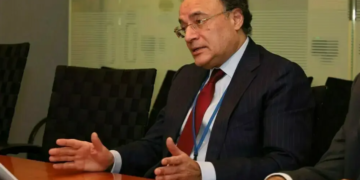
This was shared by IMF Communications Director Julie Kozack during a press briefing in Washington DC.
She warned that changing global dynamics especially developments in the Middle East could put additional strain on Pakistan’s already fragile economic outlook.
Kozack noted that the review discussions would cover all relevant factors affecting the economy, including geopolitical tensions, rising oil and fertiliser prices, and tightening financial conditions. “and we’ll hear from the team as those discussions come to a conclusion.”
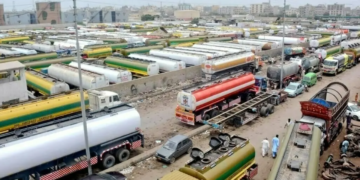
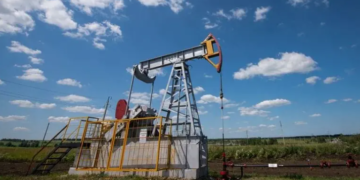
She further explained that the IMF views the Middle East conflict as a source of fresh risks, particularly through higher commodity prices such as oil, gas, fertiliser, and food. Countries heavily dependent on imports may face rising costs and pressure on their balance of payments, while commodity exporters could benefit from increased export revenues.
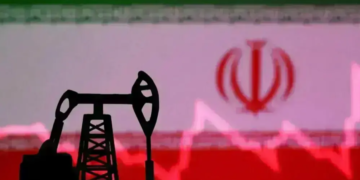
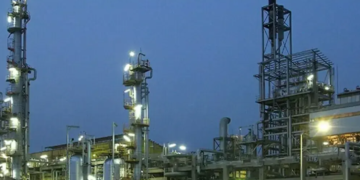
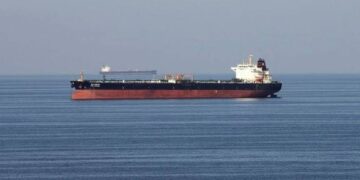
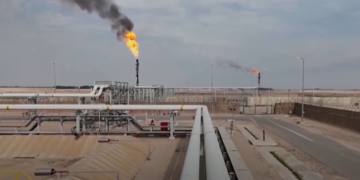
Kozack said: “we have already seen significant disruptions. The closure of the Strait of Hormuz has cut off access to roughly 20 percent of the world’s oil and seaborne LNG supplies. Energy infrastructure in the Gulf Region and Iran has been damaged, and this has disrupted oil and gas production. So now, when we think about the channels through which these disruptions can affect the global economy, regional economies, and individual economies.”
She outlined three key risks: first, the extent and duration of disruptions including the Strait of Hormuz closure and damage to energy infrastructure will determine the impact on commodity and food prices; second, rising inflation, with central banks closely monitoring expectations. She noted that a sustained 10 percent increase in oil prices could raise global inflation by about 40 basis points and reduce global output by 0.1 to 0.2 percent; and third, financial market volatility, with declining stock prices and rising bond yields across both advanced and developing economies.
Responding to a question on Gulf Cooperation Council (GCC) countries, Kozack said: “our preliminary assessment is that growth is expected to weaken, and fiscal and external imbalances will be affected. And for some countries, it depends very much on where the country is and the country’s ability to resume exports.”
She added that financial markets have already reacted, with equity markets falling and bond spreads widening in GCC economies.