





















Oil prices stabilised in Asian trading on Wednesday, recovering slightly after a nearly 2% drop in the previous session, as investors evaluated developments in US–Iran discussions while remaining wary about the likelihood of a comprehensive agreement that could impact global supply.

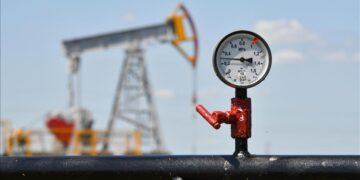
Brent crude futures gained 23 cents, or 0.34%, to $67.65 a barrel by 0412 GMT. US West Texas Intermediate (WTI) crude rose 19 cents, or 0.3%, to $62.52. Both benchmarks are hovering near two-week lows.
Iran and the United States agreed on key “guiding principles” during talks aimed at resolving their long-running nuclear dispute, but Iranian Foreign Minister Abbas Araqchi cautioned that this does not signal an imminent deal.
Market participants remain doubtful about a swift breakthrough.
“Crude oil prices look poised for a technical rebound … However, a finalised agreement remains distant, and markets remain cautious about the durability of diplomatic momentum,” said Sugandha Sachdeva, founder of SS WealthStreet, a New Delhi-based research firm.
Political risk consultancy Eurasia Group said in a note to clients that it sees a 65% likelihood of US military strikes against Iran by the end of April.
Additional pressure on prices came from reports in Russian media indicating that production at the Tengiz oil field in Kazakhstan one of the world’s largest has been increasing after a suspension in January. Sources said Tengiz is expected to return to full capacity by February 23.
Traders are also watching upcoming weekly inventory data from the American Petroleum Institute, due later Wednesday, and the Energy Information Administration, scheduled for release Thursday.
A Reuters survey of analysts suggested US crude inventories likely rose by around 2.3 million barrels in the week to February 13. Gasoline stockpiles are estimated to have declined by about 200,000 barrels, while distillate inventories which include diesel and heating oil are expected to have fallen by roughly 1.6 million barrels.
Meanwhile, Ukraine and Russia concluded the first day of US-brokered peace negotiations in Geneva, with US President Donald Trump urging Kyiv to accelerate efforts toward ending the four-year conflict.
“Any shift in that geopolitical axis could add risk premium (to prices),” Sachdeva added. — Reuters