







Pakistan is considering approaching the International Monetary Fund (IMF) to seek relief from a carbon levy on furnace oil, as authorities work to secure energy supplies during the escalating Gulf conflict.

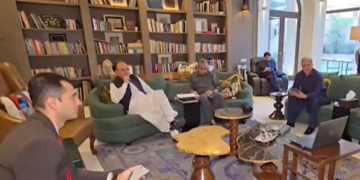
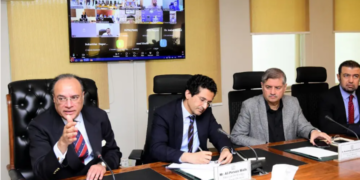
In an interview on Aaj News programme News Insight with Amir Zia on Tuesday, Federal Minister for Petroleum Ali Pervaiz Malik said the prime minister has instructed the finance ministry to open discussions with the IMF on suspending the carbon levy introduced under the Fund’s Resilience and Sustainability Facility (RSF). He explained that amid the ongoing crisis, Pakistan may need to utilise furnace oil domestically rather than export it.
“When the world is scrambling for fuel, and we are forced to export furnace oil because of the carbon levy, why not explore using it locally?” Malik said in an interview.
The minister reiterated that the government remains committed to the IMF programme and has no intention of deviating from it.
“The IMF framework cannot be compromised,” he said.
Malik noted that the government may reassess non-essential imports, such as automobiles, and consider adjusting duties or exchange rate measures in coordination with the IMF to safeguard the external account.
He added that remittances from Gulf countries are being monitored closely.
“We will do whatever we can to ensure that the public doesn’t face hardships. However, the public too needs to adopt conservation measures as well,” he said.
The minister cautioned that a further rise in global oil prices could place serious pressure on Pakistan’s external account.
Crude oil is currently trading between $80 and $85 per barrel. If prices rise to $100 per barrel, the country could face an additional $250 million monthly burden on its external account. A surge to $120 per barrel could increase that strain to $500 million per month, he said.
Malik stated that Pakistan currently has 20–30 days’ worth of petrol and diesel reserves. He added that alternative crude shipments have been arranged from Saudi Arabia’s Red Sea port of Yanbu and from Fujairah in the UAE, which lies outside the Strait of Hormuz.
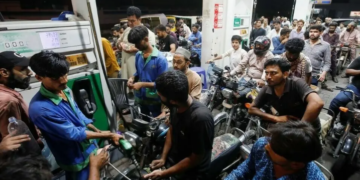
The government is also coordinating with provincial authorities and law enforcement agencies to prevent hoarding and smuggling of petroleum products.
“Anyone attempting to benefit from this black swan event will face the full force of the law,” Malik said.
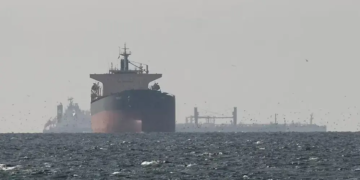
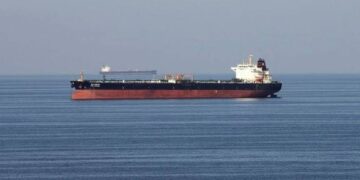
He further revealed that two Pakistan National Shipping Corporation (PNSC) vessels transporting oil are currently stranded in the Strait of Hormuz.
Malik also pointed out that petrol import premiums have surged from about $5 per barrel last week to $17, potentially leading to an increase of Rs15–20 per litre in domestic petrol prices if the additional costs are passed on to consumers.
“If we arrange petrol from alternative sources such as Singapore, the premiums are significantly higher. Eventually, this has to be transmitted through the price mechanism,” he said.