



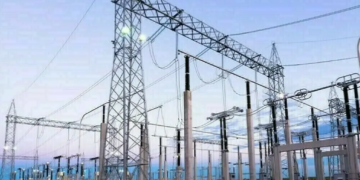


















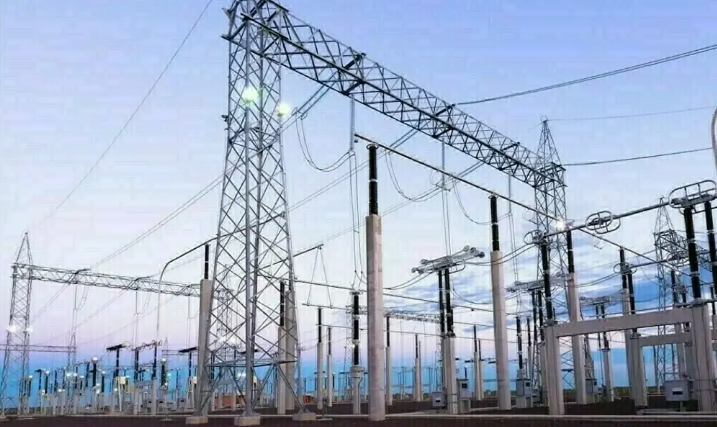
Pakistan’s electricity generation reached 7,696 GWh in February 2026, marking an 11% increase compared to 6,945 GWh recorded in February 2025.

According to Arif Habib Limited (AHL), the rise was largely driven by stronger demand. “We believe the increase in generation was driven by higher demand, supported by lower tariffs and shift of industrial consumers to the national grid,” the firm said in a note on Wednesday.
On a month-on-month basis, however, power generation fell by 16% from 9,140 GWh in January 2026.
During the first eight months of FY26 (July–February), total electricity generation rose 3% year-on-year to 84,192 GWh, compared to 81,738 GWh in the same period last year.
Meanwhile, the cost of power generation increased by 8% YoY, reaching Rs8.15 per kWh in February 2026, up from Rs7.57 per kWh a year earlier. “The cost of power generation rose due to a lower hydel and nuclear mix, while a higher imported coal mix,” AHL noted.
On a monthly basis, generation costs dropped significantly by 30% from Rs11.64 per kWh in January 2026.
Coal remained the dominant source of electricity in February, contributing 30.9% to the overall generation mix. Hydropower followed with a 23.2% share, while nuclear energy accounted for 18.8%. Gas and RLNG made up 11.5% and 9.5% of the mix, respectively.
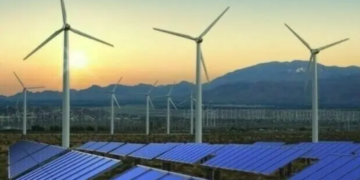
Among renewable sources, wind contributed 3.3% and solar accounted for 1.2% of total generation.