






















KARACHI: Pakistan’s increasing reliance on domestic energy sources including solar and wind power, nuclear energy, coal and hydropower—has reduced its exposure to potential disruptions in global LNG supplies, Power Minister Awais Leghari told Reuters.

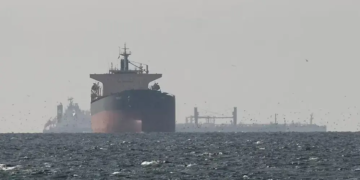
Rising tensions in the Middle East have threatened LNG shipments from Qatar, the world’s second-largest LNG producer after the United States and the primary supplier of Pakistan’s imported LNG, which is used to operate power plants during periods of peak electricity demand.
“Pakistan has been steadily increasing its reliance on indigenous energy resources, and about 74% of our electricity generation now comes from local sources,” Leghari said, adding that the government aims to increase this share to more than 96% by 2034.
These figures had not been reported previously.
“The people-led solar revolution, and earlier decisions to invest in nuclear, hydropower and local coal have all played a role in increasing Pakistan’s self-reliance,” he added.
Pakistan has historically faced persistent electricity shortages and regular load shedding, particularly during the peak summer months.
However, the country now has surplus generation capacity after adding coal, LNG and nuclear power plants. At the same time, electricity demand growth has slowed while rooftop solar adoption has surged, in some cases exceeding grid demand in certain areas.
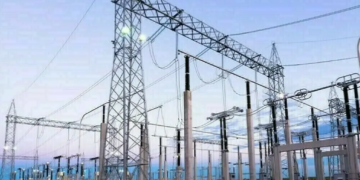
Power outages still occur in parts of the country, but they are largely linked to issues such as electricity theft, transmission losses and financial constraints rather than an overall shortage of power.
‘Worst-case scenario’
Earlier this month, Qatar halted LNG production, prompting Asian countries—which account for about 80% of its exports—to look for alternative supplies.
Leghari said LNG currently contributes roughly 10% to Pakistan’s electricity generation and is primarily used to meet evening demand peaks and maintain grid stability.
During the global energy crisis triggered by Russia’s invasion of Ukraine in 2022, Pakistan had to impose extended power cuts after failing to secure LNG cargoes from the spot market.
“Even if LNG was disrupted or became too expensive, the impact on production capacity, industry or agriculture would be minimal,” Leghari said.
However, he noted that prolonged supply disruptions could still create challenges during summer, when electricity demand rises sharply due to increased air-conditioner use.
“In a worst-case scenario, if LNG cargoes stopped for several months, Pakistan might see one to two hours of load shedding during peak summer evenings,” Leghari said.
He added that such outages would likely affect some urban and rural areas rather than industry or agriculture. Pakistan is also working on battery storage systems to shift excess daytime solar energy to meet evening demand peaks.
Pakistan has also cancelled 21 LNG cargoes scheduled for delivery in 2026–27 under a long-term agreement with Italy’s Eni, as the growth of domestic power generation and solar energy has reduced gas demand.
Focus on local and clean energy
“Pakistan is not expected to invest in any source of power that could put it at risk in terms of energy security,” Leghari said, noting that the government plans to prioritise indigenous clean energy over the next six to eight years.
Currently, about 55% of Pakistan’s electricity generation comes from clean sources, a figure the government aims to raise to more than 90% by 2034.
According to the minister, hydropower generates around 40 terawatt-hours (TWh) of electricity annually, while nuclear power produces roughly 22 TWh and domestic coal about 12 TWh, together forming a significant portion of the country’s electricity supply without relying on imported fuel.
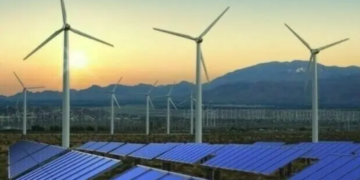
Rooftop solar installations across Pakistan have surpassed 20 gigawatts (GW), with behind-the-meter capacity estimated between 12 and 14 GW and possibly as high as 18 GW. This rapid growth has significantly reduced daytime electricity demand from the grid.
Hydropower output also increases during summer due to higher river flows, adding up to 7,000 megawatts of capacity and helping meet rising electricity demand driven by air-conditioning use.