















RIYADH: Saudi Arabia has signalled its intent to invest in large-scale corporate farming in Pakistan through structured, long-term arrangements, according to a statement issued after a high-level meeting on Wednesday.

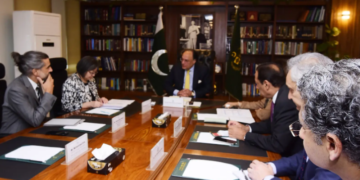
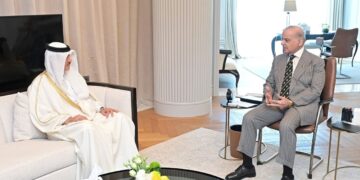
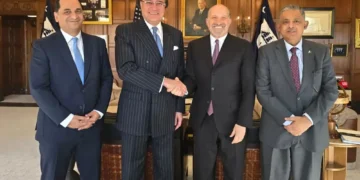
The development followed discussions between Federal Minister for Commerce Jam Kamal Khan and Saudi Assistant Minister of Investment Ibrahim Al-Mubarak, who reviewed prospects for deeper trade, investment, and regional economic cooperation between the two countries.
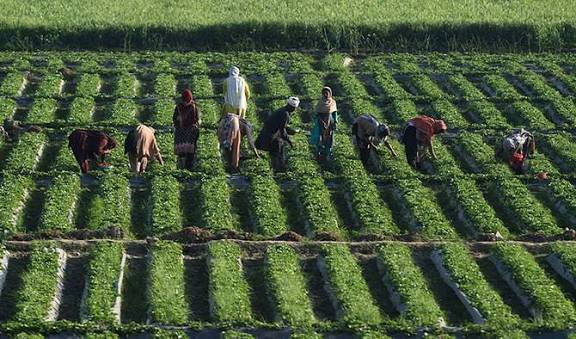
During the meeting, the Saudi delegation expressed interest in corporate farming initiatives in Pakistan, noting that Pakistani agricultural produce already meets international quality standards. They highlighted that investment in mechanised farming, modern storage facilities, and logistics infrastructure could ensure reliable, long-term rice exports from Pakistan to Saudi Arabia.
Talks also covered broader collaboration in agriculture and food security, including rice, fodder (particularly alfalfa), meat, and other selected agri-products. Both sides discussed the potential role of Saudi financial institutions in supporting export-linked agricultural and infrastructure projects tied to guaranteed Saudi offtake agreements.
The ministers emphasised corporate farming and mechanisation as key strategies to address productivity challenges in Pakistan’s agriculture sector, especially in cotton, where falling yields and rising labour costs have reduced competitiveness.
Jam Kamal stressed that export-oriented investment models could revitalise agriculture while strengthening downstream industries such as textiles and yarn manufacturing.
Both countries agreed on an investment-driven partnership approach aimed at boosting productivity, strengthening value chains, and expanding Pakistan’s export footprint in high-growth regions, including Central Asia, Africa, and ASEAN.
Human resource development also emerged as a priority, with both sides recognising critical skill shortages in healthcare, hospitality, and technical services. The Saudi side expressed willingness to replicate vocational training models in Pakistan that link skills development with overseas employment opportunities.
Additionally, discussions covered potential trade in construction materials, pharmaceuticals, sports goods, footwear, and light manufacturing, with both sides exploring joint ventures and contract manufacturing arrangements for regional and global markets.
The meeting concluded with a commitment to organise sector-specific workshops and business-to-business engagements to turn policy discussions into concrete investment projects, trade flows, and job creation.