










ISLAMABAD: Pakistan and Uzbekistan on Tuesday pledged to strengthen cooperation in trade, investment, connectivity, mining, and food security, aiming to translate growing political goodwill into concrete economic outcomes.

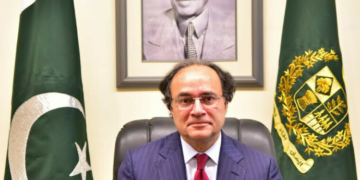
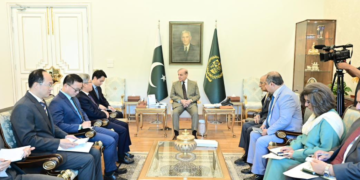
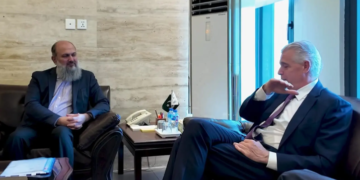
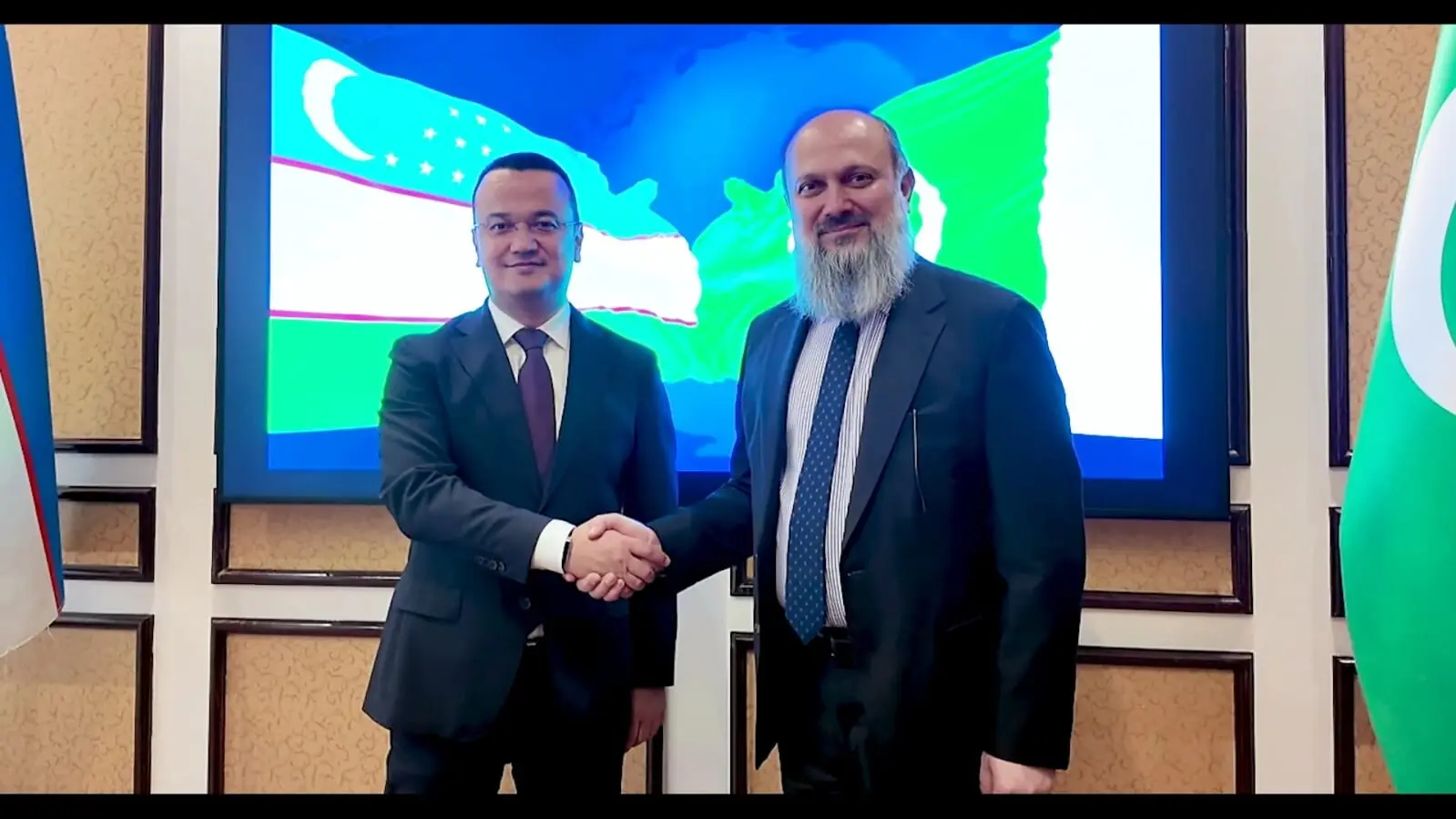
Federal Minister for Commerce Jam Kamal Khan held a comprehensive meeting in Islamabad with Uzbekistan’s Minister of Investment, Industry and Trade, Laziz Kudratov, to assess progress in bilateral economic relations and outline practical steps to enhance trade, business links, and sectoral collaboration, according to a statement from the Ministry of Commerce.
During the talks, Khan highlighted that Pakistan–Uzbekistan engagement has expanded significantly over the past two years through frequent high-level interactions. He emphasized that the focus must now shift toward addressing logistical gaps, strengthening business-to-business links, and ensuring effective implementation of agreed initiatives. He also reiterated Pakistan’s full support for Uzbekistan’s trade development efforts.
Kudratov informed the Pakistani side that preparations were underway for an upcoming high-level visit from Uzbekistan, which he described as a key milestone in deepening bilateral relations. He noted that bilateral trade had grown by about 10 percent last year, with Pakistan’s exports to Uzbekistan rising by 12 percent and Uzbek exports to Pakistan increasing by 8 percent. He called for more balanced and expanded trade, setting a target of $2 billion through greater industrial cooperation and new sectoral partnerships.
Both sides reviewed progress on trade facilitation, including negotiations on a preferential trade framework that would expand the list of covered products from 34 to 92. Uzbekistan also expressed interest in broadening cooperation into services and investment-driven partnerships. The Uzbek minister revealed that 228 Pakistani firms are currently operating in Uzbekistan, with 80 new companies registering there in the past year.
Discussions also focused on collaboration in key sectors such as food security, mining, textiles, leather, pharmaceuticals, and value-added manufacturing. Uzbekistan expressed interest in investing in Pakistan, particularly in food security, meat production, rice cultivation, and mining projects.
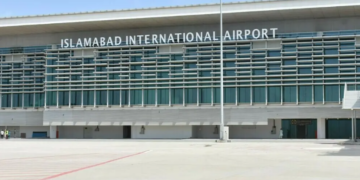
The two sides welcomed the resumption and expansion of direct flights between the countries, with services now operating from Islamabad and Lahore and plans to add Karachi, potentially reaching six weekly flights to boost trade and tourism. On regional connectivity, both sides acknowledged challenges caused by disrupted transit routes and discussed alternative corridors. They explored the role of Pakistan’s National Logistics Corporation in facilitating trade via the northern route through Kashgar, China, despite higher costs and longer transit times.
A key proposal from the meeting was the establishment of a multi-country “green corridor” involving Pakistan, China, and Central Asian states to ease cross-border trade with clear legal and operational mechanisms. Uzbekistan also supported using Kashgar as a logistics and warehousing hub to improve cargo movement. Kudratov further highlighted Uzbekistan’s expertise in mining and geology and expressed readiness to collaborate with Pakistan on exploration, technical training, and joint projects.
The meeting concluded with both nations reaffirming their commitment to strengthening economic ties through faster implementation of agreements, continued institutional coordination, and increased private-sector engagement.