



















KARACHI/SINGAPORE: Pakistan’s proposed changes to electricity pricing are expected to push inflation higher while shifting IMF-required subsidy cuts onto middle-class households, even as they provide relief to industries, analysts say.

The proposal would end the system under which businesses effectively subsidised residential electricity bills. According to Optimus Capital Management, the move could add 1.1 percentage points to inflation over the next 12 months.
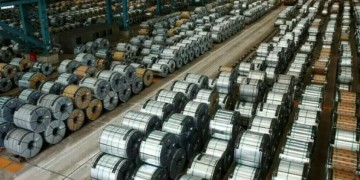
Analysts say that once formally approved, the plan will reduce industrial electricity tariffs by 13% to 15% and eliminate 102 billion rupees ($365 million) in subsidies.
As a result, middle-class households may see their electricity bills rise by around 50%, analysts estimate.
Inflation backdrop
Pakistan experienced one of Asia’s sharpest inflation surges in 2023, with prices climbing close to 40%, driven by a weakening rupee, higher fuel costs and price increases tied to IMF-backed reforms.
Although inflation has since eased to 5.8%, analysts caution that the power tariff adjustments could reignite inflationary pressures.
Pakistan’s power ministry and the IMF did not respond to requests for comment.
Ahtasam Ahmad, Energy Finance Program Lead at consultancy Renewables First, said that because purchasing power for the average household has already declined significantly, the change “adds to the compounding effect of inflation which we have experienced post-2022.”
The pricing overhaul also highlights strains within Pakistan’s IMF programme, which has required substantial utility price increases since 2023 to help stabilise financially troubled state-owned power companies.
Industrial groups argue that high electricity costs undermine export competitiveness in sectors such as textiles and manufacturing.
According to Karachi-based energy consultancy Arzachel, residential consumers using between 100 and 300 units per month — representing the majority of paying households — could face increases of up to 76% due to new fixed charges introduced under the plan.
The National Electric Power Regulatory Authority (NEPRA) said on Monday that fixed charges for the lowest-income households consuming 1–100 units per month will rise to PKR 400 from zero.
Solar pricing changes
The regulator has also reduced the rate paid to rooftop solar users for electricity exported to the grid, replacing a system that previously treated supplied and purchased electricity at equal value.
A record surge in solar installations has helped cut emissions and lower electricity bills for some households but has also reduced revenues for heavily indebted utilities as demand for grid power declines.
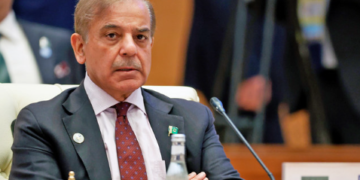
Prime Minister Shehbaz Sharif on Wednesday ordered a review of NEPRA’s solar policy changes, instructing officials to ensure that costs are not shifted from 466,000 solar users to 37.6 million grid consumers.
“Excessively high fixed charges risk driving consumers toward full grid defection, undermining long-term system stability,” Arzachel said in a note on Tuesday.