























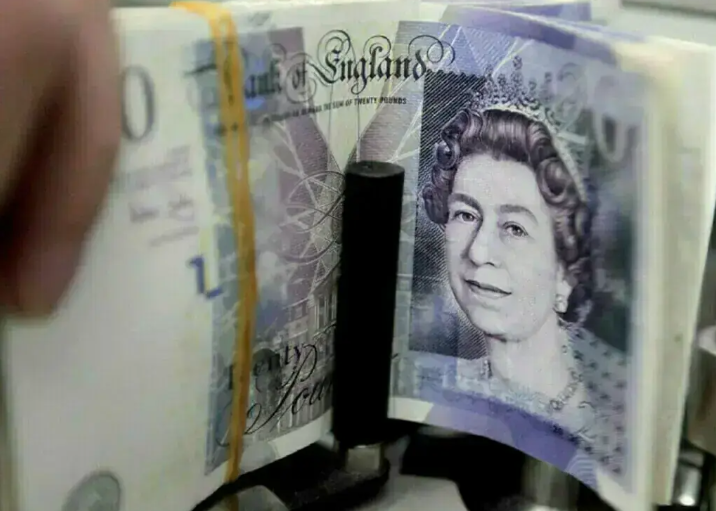
The British pound weakened on Monday as escalating tensions between the United States and Iran dampened expectations for a sustained ceasefire, prompting investors to move toward the safe-haven U.S. dollar.

In London, sterling was last down 0.1% at $1.3503 as the dollar strengthened. Meanwhile, the euro edged 0.1% higher against the pound, trading at 87.10 pence.
Investors were also closely watching political developments in the UK, where Prime Minister Keir Starmer was set to address parliament amid mounting pressure to resign. The scrutiny follows reports that former U.S. ambassador Peter Mandelson failed a vetting process.
Global markets turned cautious as U.S.-Iran tensions intensified, with the dollar gaining strength while equities declined and oil prices rose. The uncertainty deepened after Iran announced it would not join a second round of negotiations.
Strains escalated further after the U.S. said it had seized an Iranian vessel attempting to bypass restrictions in the Strait of Hormuz.
“Fresh worries are percolating about the fragility of the Iran ceasefire, sending oil prices higher and keeping investors on edge,” said Susannah Streeter, chief investment strategist at Wealth Club.
Despite the dip, the pound remains near Friday’s two-month high of $1.3599, reflecting some optimism that the worst of the conflict may have passed.
Sterling has gained 2% so far this month after declining 1.9% in April, supported by earlier hopes of a ceasefire that led investors to reduce their dollar holdings.
However, further downside risks remain. Analysts suggest the pound could weaken if Starmer is forced out following the controversy surrounding Mandelson’s appointment, which has been linked to his association with convicted offender Jeffrey Epstein.
Last week, The Guardian reported that Mandelson had failed a security clearance process, adding to the political pressure on the prime minister.
“This will be a tough session for PM Starmer and one which will extend into tomorrow, when the top civil servant involved in the approval process also appears at a parliamentary hearing,” said Chris Turner, global head of markets at ING.
“GBP/USD could well hand back a big chunk of recent gains this week.”
Some investors also warn that a leadership change could shift Labour Party policies further left, potentially increasing government borrowing and weighing further on the pound.