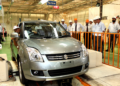











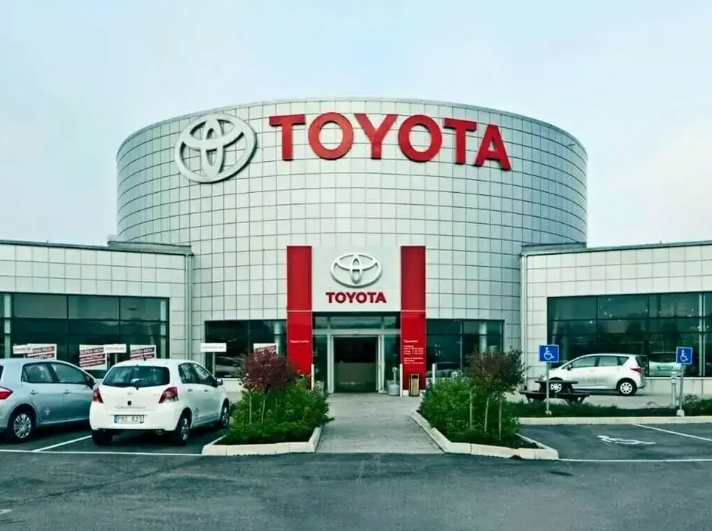
Indus Motor Company, the assembler of Toyota vehicles in Pakistan, has cautioned that escalating geopolitical tensions in the Middle East may interrupt the supply of imported auto components, potentially affecting production schedules across Pakistan’s automobile industry.

The update was shared by Topline Securities after attending a management briefing of HUBCO, according to a report released on Wednesday.
During the briefing, the automaker’s management indicated that regional instability could lead to supply chain disruptions in the coming weeks.
“Management expects disruptions and delays in imported parts due to the ongoing Middle East crisis,” Topline said in its report.
“Logistical congestion, higher freight costs, and shipping delays are likely to put pressure on supply timelines. However, a broader ripple effect may become visible over the next month, making effective crisis management critical, although some disruptions may remain unavoidable,” added the report.
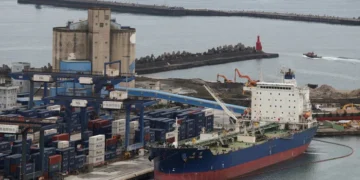
Pakistan’s automobile sector relies significantly on imported completely knocked down (CKD) kits and components, leaving it particularly exposed to interruptions along major global shipping routes.
Meanwhile, Iran’s Revolutionary Guards claimed that Iranian forces had full control of the Strait of Hormuz — a crucial passage for global oil and gas shipments — warning that vessels attempting to cross the route could face risks from missiles or stray drones.
The company’s management also revealed that several new vehicle models and product updates are in development. “However, due to ongoing uncertainty, there is no timeline set as of yet,” the Topline report said.
Indus Motor further expects the government to review and rationalise the tax framework applied to different vehicle categories.
“Notably, some vehicles are currently subject to a 25% sales tax. The management believes that this rate could be reduced to around 18% to mitigate potential negative impacts and maintain neutrality across the sector,” said Topline.
The company anticipates a gradual recovery in vehicle demand in Pakistan, supported by improving economic stability, relatively stable financing costs, and moderating inflation. However, the recent rise in geopolitical tensions in the Gulf region continues to create uncertainty.
In addition, the automaker’s management supports the introduction of a transparent and market-driven Auto Policy 2026–31 that aligns with the programme of the International Monetary Fund (IMF).
“It also urges the government to relax auto financing limits, adjust taxes and duties, especially on CKD units, and set proper rules for used car imports to ensure fair competition and consumer safety,” the brokerage report added.