


















ISLAMABAD: Prime Minister Shehbaz Sharif on Tuesday directed authorities to strengthen tax collection enforcement by adopting modern, automated monitoring systems in the country’s most productive sectors to curb tax evasion and boost government revenue.

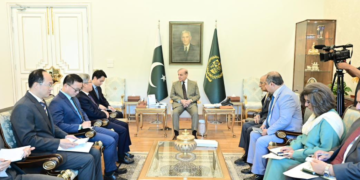
During a weekly review meeting on the affairs of the Federal Board of Revenue (FBR), the prime minister welcomed the appointment of experts to the executive team of Pakistan Revenue Automation Limited (PRAL). He emphasised that the organisation should act proactively to ensure improved tax compliance.
“The use of technology must be maximised to ensure transparency, accountability, and revenue growth,” he said.
Sharif also directed the Drug Regulatory Authority of Pakistan (DRAP) to speed up the serialization of all medicines produced locally. In addition, he instructed officials to make major taxpayer systems — including the auto tax system, the digital invoicing platform, IRIS, and other related applications — available in Urdu and regional languages to encourage greater public participation.
In a detailed briefing, FBR officials informed the prime minister about ongoing initiatives aimed at introducing technology-based monitoring systems across different industries to improve production oversight and tax collection.
According to officials, production monitoring is already in place in sugar, cement, cigarette, and fertiliser factories. These systems use video analytics, unit counting, barcode scanning, stamping, and serialization techniques. Initial results, they said, have already contributed to increased tax revenues.
Authorities are now expanding these monitoring mechanisms to sectors such as textiles, leather, paper, automobiles, and beverages, which are expected to generate billions of rupees in additional revenue.
Officials also noted that amendments to the law governing Alternate Dispute Resolution Committees (ADRCs) have been introduced to enhance transparency and rebuild taxpayer confidence. The government expects ADRCs to help recover Rs80 billion in revenue by June 30, 2026.
Between July 2025 and January 2026, FBR rulings on tax-related cases generated Rs102.9 billion. Officials added that pending cases could bring in an additional Rs369 billion by June.
The briefing further highlighted that PRAL’s new executive team is now fully operational and that its digital invoicing system is functioning effectively, processing Rs800 billion in transactions during January and February.
Officials said the government remains on track to reach its target of Rs3 trillion in digital invoicing by April.
They also informed the prime minister that a new FBR data centre meeting modern requirements has been completed.
Additional measures discussed included the introduction of a digital cargo tracking system, particularly the e-Bilty platform, to curb smuggling, along with an integrated GPS tracking system for petroleum products.
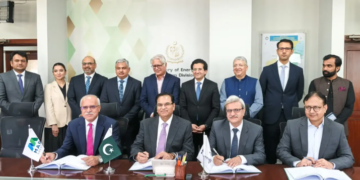
The meeting was attended by several federal ministers and senior officials, including Muhammad Aurangzeb, Ahad Cheema, Musadik Malik, Attaullah Tarar, Shiza Fatima Khawaja, Ali Pervaiz Malik, Minister of State for Finance Bilal Azhar Kiyani, Attorney General Mansoor Awan, FBR Chairman Rashid Langrial, and other senior officials from relevant institutions.