




























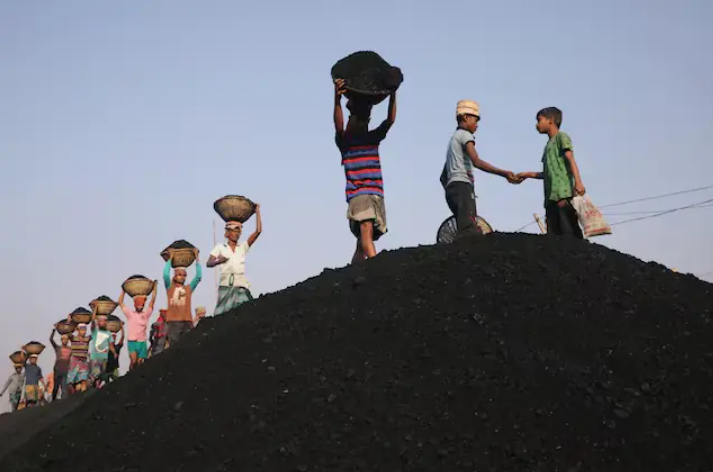
SINGAPORE/KARACHI: Utilities across Asia are increasing coal-based power generation to reduce costs and secure energy supplies, as the US-Israeli conflict with Iran disrupts liquefied natural gas (LNG) shipments and drives prices sharply higher.

Spot LNG prices in Asia have surged to three-year highs—doubling amid the second major supply shock in four years—largely due to halted shipments from Qatar and near توقف in transit through the Strait of Hormuz.
In South Asia, Bangladesh is stepping up coal-fired generation and boosting coal imports this month, according to daily government data.
Pakistan, meanwhile, plans to further expand electricity generation from domestic sources. Power Minister Awais Leghari noted that increased solar capacity has already helped the country avoid the kind of LNG-related disruptions that caused widespread outages after Russia’s 2022 invasion of Ukraine.
“With a reduction in LNG generation, plants running on locally mined coal will be able to produce more during off-peak hours,” Leghari told Reuters.
Across Southeast Asia, the Philippines is increasing coal-based output while cutting LNG usage, Vietnam’s EVN is negotiating coal supplies, and Thailand is raising production at its largest coal-fired plant to conserve LNG.
Leghari added that Pakistan’s reliance on domestic energy sources provides a buffer against LNG supply risks.
Elsewhere in Asia, South Korea is preparing to lift caps on coal-fired generation and expand nuclear output, while Japan’s leading utility JERA plans to maintain high utilization of its coal plants.
Declining Role of Natural Gas
Natural gas has been steadily losing its share in Asia’s power mix for nearly a decade, according to Ember data, despite significant investments by global energy companies in LNG demand growth.
Analysts warn that ongoing conflict-related disruptions could further weaken LNG demand in the region, with prices expected to stay volatile even after the crisis subsides.
In South Asia, high LNG costs and limited gas infrastructure have already delayed or cancelled several planned import projects. A recent report by Global Energy Monitor estimates that up to $107 billion in investments could be at risk.
Aziz Khan, chairman of Bangladesh’s Summit Group, highlighted the economic strain of rising costs, saying, “You’re breaking the backbone of the economies of poorer countries.”
Because most LNG contracts are tied to oil prices with a three-month delay, buyers in Asia are expected to face even higher costs starting in June, according to Wood Mackenzie.
“The conflict will significantly reduce Asian LNG demand growth in 2026,” said Lucas Schmitt of Wood Mackenzie, which has revised its forecast for regional LNG imports down to around 5 million metric tons from an earlier estimate of 12.4 million, assuming a two-month disruption in Middle Eastern supply.
Coal and Renewables Outlook
Thermal coal prices in Asia have risen over 13% this month, though the increase is smaller compared to the surge in LNG prices. Analysts say the rise may remain limited in the near term, as major consumers like China, India, Japan, and South Korea rely on existing stockpiles and long-term contracts.
At the same time, rising fuel import costs are strengthening the case for renewable energy adoption.
“Recent shocks once again refute the case for relying on imported fossil fuels in energy sector development plans, potentially creating more opportunities for renewables,” said Sam Reynolds of the IEEFA.