



























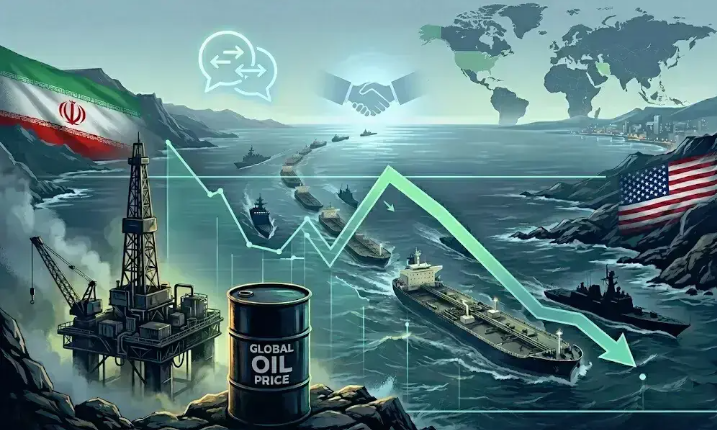
TOKYO/SINGAPORE: Oil prices were largely unchanged on Thursday, recovering from earlier losses as investors remained doubtful that ongoing US-Iran peace talks would result in a deal to end the conflict and restore disrupted supplies from the Middle East.

Brent crude futures slipped 26 cents to $94.67 a barrel, while US West Texas Intermediate crude futures rose 14 cents to $91.43 a barrel.
Both benchmarks showed little overall movement on Wednesday, despite experiencing significant volatility during the session.
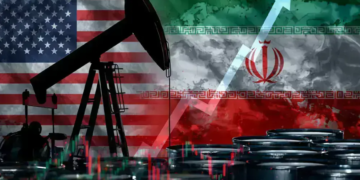
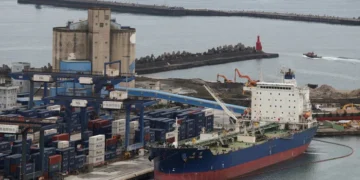
The US-Israeli conflict with Iran has led to a major disruption in global oil and gas supplies, largely due to restricted traffic through the Strait of Hormuz, a critical route that typically handles about 20% of the world’s oil and liquefied natural gas shipments.
“While there are hopes for de-escalation, many investors remain sceptical, given that US-Iran talks have repeatedly broken down even after appearing to make progress,” said Toshitaka Tazawa, an analyst at Fujitomi Securities.
“Until a peace deal is reached and free navigation through the strait is restored, WTI prices are expected to continue fluctuating between $80 and $100,” he added.
According to analysts at ING, around 13 million barrels per day of oil flows have been disrupted due to the strait’s closure, even after accounting for alternative routes and limited tanker movement.
Following the collapse of peace negotiations over the weekend, the US imposed a blockade on Iranian ports, raising the possibility of further supply disruptions.
“The physical market is becoming tighter every day that passes without a restart of oil flows through the Strait of Hormuz,” ING analysts said.
A source familiar with Tehran’s position indicated that Iran might allow vessels to pass through the Omani side of the strait if an agreement is reached to prevent renewed hostilities after a two-week ceasefire that began on April 8.
Meanwhile, US and Iranian officials are considering holding another round of talks in Pakistan as early as this weekend, with mediation efforts underway.
US Treasury Secretary Scott Bessent also said that Washington will not extend waivers that had permitted limited purchases of Iranian and Russian oil without triggering sanctions.
Highlighting the tightening supply situation, US government data showed a decline in inventories of crude oil, gasoline, and distillates last week, driven by lower imports and increased exports to countries seeking alternatives to disrupted supplies.