

















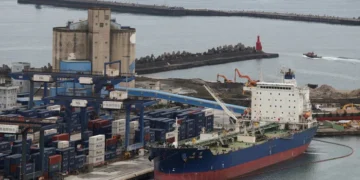



Pakistan is confronting a growing energy challenge after at least three Liquefied Natural Gas (LNG) shipments meant for the country were held up in the Persian Gulf, based on vessel-tracking data reported by Bloomberg.

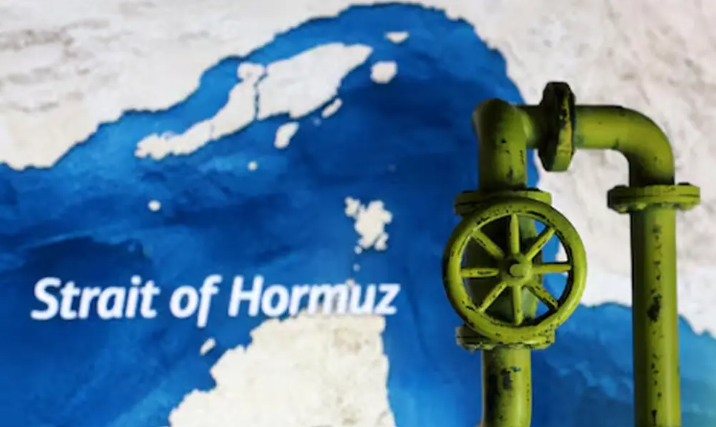
The country has now gone over a month without receiving LNG supplies following the shutdown of the Strait of Hormuz, increasing the likelihood of more frequent power outages as seasonal temperatures begin to climb.
Last week, Minister for Power Sardar Awais Ahmad Khan Leghari stated that electricity load-shedding during peak hours will persist until LNG deliveries resume, which are currently halted due to a force majeure declared by Qatar.
The minister also revealed that Pakistan is dealing with a power deficit of approximately 3,400 megawatts, driven in part by lower hydropower generation. Reduced rainfall and decreased irrigation demand have limited water releases from reservoirs, he explained during a press briefing.
Additionally, LNG-based power generation has declined sharply, resulting in load management of up to 6–7 hours in certain areas.
Pakistan’s LNG power plants, which have a capacity of about 6,000 MW, are currently generating only around 500 MW due to gas shortages. Meanwhile, hydropower production has dropped to roughly 1,600 MW—about half of what it was during the same period last year, according to the minister.
Globally, tensions remain high despite a temporary ceasefire in the Iran conflict, which is set to expire Tuesday. The situation became more uncertain after the United States seized an Iranian cargo vessel, prompting Tehran’s military leadership to pledge retaliation.
Iran has also turned down renewed peace negotiations with the U.S., according to its state media, shortly after U.S. President Donald Trump said he was dispatching envoys for talks in Pakistan and warned of potential new strikes if his conditions are not met.