
































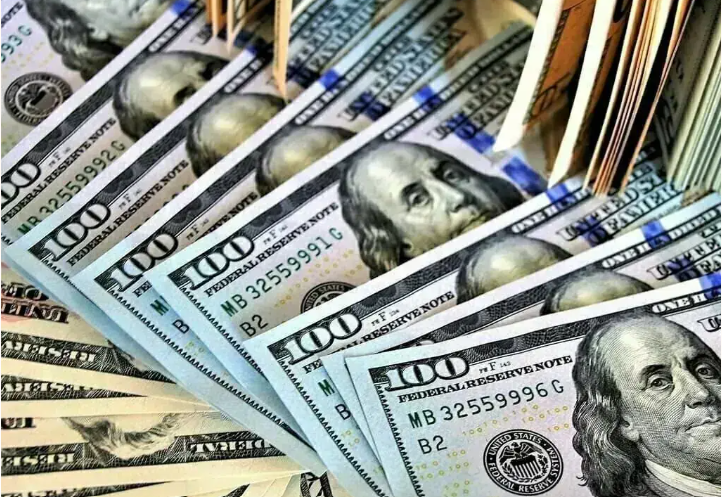
The US dollar remained close to a two-week high on Thursday after policymakers at the Federal Reserve adopted a more hawkish stance, pushing bond yields to a one-month peak, while the Japanese yen slipped past the key 160 level, raising concerns about possible market intervention.

Fed Chair Jerome Powell concluded his tenure with interest rates left unchanged, despite mounting inflation concerns. The central bank’s 8–4 vote marked its most divided decision since 1992, with three officials opposing forward guidance that suggested a bias toward easing.
This shift in tone drove yields higher, with the 2-year Treasury note reaching 3.928% and the 10-year climbing to 4.421% — both the highest levels since late March.
Markets have since adjusted expectations, largely ruling out rate cuts this year and now pricing in a 55% probability of a rate hike by April 2027, a sharp increase from around 20% before the decision.
Analysts noted that concerns over inflation — partly driven by the ongoing Iran conflict — are influencing the Fed’s outlook and reducing the likelihood of policy easing.
The dollar index held steady at 98.852 after a 0.3% rise in the previous session, hovering near its strongest level since April 13. Meanwhile, the euro traded at $1.1689 and the British pound at $1.34877, both posting modest gains of about 0.1% in Asian trading.
Attention is also turning to upcoming policy decisions from the Bank of England and the European Central Bank, as markets anticipate potential rate hikes in response to inflation pressures.
Ongoing geopolitical tensions continue to weigh on sentiment. Donald Trump has reportedly been consulting oil companies on mitigating the impact of a possible prolonged US blockade of Iranian ports, as diplomatic efforts remain stalled.
Oil prices have surged amid fears of supply disruptions, with Brent crude approaching its highest levels since mid-2022.
In currency markets, the Australian dollar rose to $0.71285, while the New Zealand dollar reached $0.58394, both gaining roughly 0.2%.
The Japanese yen weakened to 160.16 per dollar, nearing levels that have previously prompted intervention. Despite signals from the Bank of Japan that interest rate hikes may be considered in the coming months, the currency has declined more than 2% since the conflict began on February 28.
Investors have built their largest short positions on the yen in nearly two years, reflecting skepticism that either rate increases or government intervention will provide meaningful support in the near term.