





























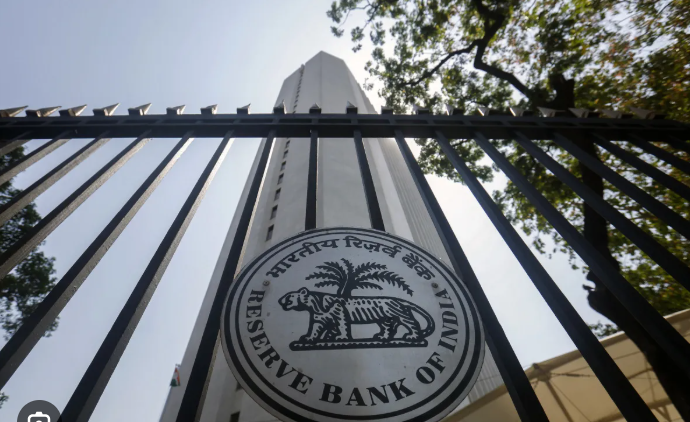
India’s central bank declined all bids at a treasury bill auction on Wednesday its first such decision in over a year in a move aimed at supporting banking system liquidity ahead of the financial year-end on March 31.

The government had planned to raise 350 billion rupees ($3.72 billion) through the sale of 91-day, 182-day, and 364-day treasury bills, but the Reserve Bank of India chose not to accept any bids.
Previously, in February 2025, the central bank had only canceled auctions for 91-day and 182-day treasury bills, indicating a relatively stronger cash position at that time.
The latest decision is expected to increase liquidity in the banking system by around 350 billion rupees, as inflows from maturing treasury bills are due on Friday without corresponding outflows.
“The t-bill auction cancellation has been welcomed by the market,” said Rajeev Pawar, treasury head at Ujjivan Small Finance Bank.
“System liquidity is a bit low, and given that the government has just received tax inflows it does not need additional funds immediately,” Pawar added.
Market participants noted that bids may have come in at higher yields, and the central bank likely avoided accepting them to prevent unsettling markets near the financial year-end.
Attention is now shifting to the treasury bill borrowing calendar for April to June, which is expected to be released by Monday evening.
Traders are anticipating a rise in treasury bill borrowing during the first quarter of the 2027 financial year.