




















The ongoing conflict involving Iran is reshaping the global LNG market, with rising prices, damage to Qatar’s export infrastructure, and delays in new supply casting doubt on previously expected demand particularly from price-sensitive Asian countries like Pakistan.

Before the conflict, analysts had projected global liquefied natural gas supply to grow by up to 10% this year, reaching between 460 million and 484 million metric tons, supported by new capacity from the United States and Qatar. Demand was expected to increase at a similar pace.
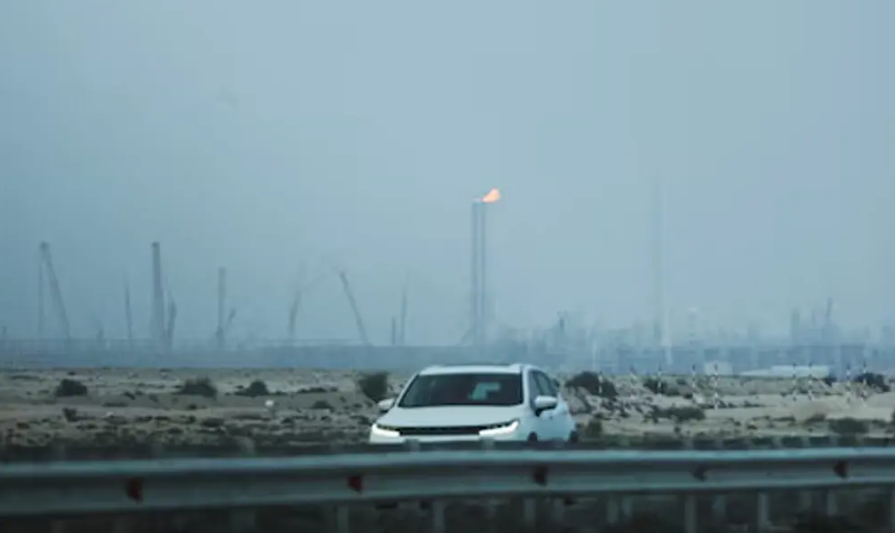
However, Iran’s blockage of the Strait of Hormuz—which handles around 20% of global LNG flows along with damage to Qatar’s liquefaction facilities, has significantly altered the outlook. Around 12.8 million tons per year of LNG capacity is expected to remain offline for three to five years.
As a result, major consultancies including S&P Global Energy, ICIS, Kpler, and Rystad Energy have reduced their global supply forecasts by as much as 35 million tons—equivalent to roughly 500 LNG cargoes.
“We expect this gas price crisis will lead some countries to reconsider growing their gas demand at the rate we previously forecast and so LNG demand growth will be lower than our pre-war forecast,” said S&P Global Energy analyst Lucien Mulberg.
S&P Global Energy now expects a 33-million-ton drop in exports from Qatar and the United Arab Emirates this year and has also lowered supply projections for 2027–2029 due to delays in major projects such as Qatar’s North Field expansion and ADNOC’s Ruwais LNG development.
The supply shock has pushed Asian LNG prices sharply higher, rising 143% since the conflict began on February 28. Prices have reached a more than three-year high of $25.30 per mmBtu—well above the $10 level typically considered affordable for emerging markets.
Analysts expect prices to remain elevated for several years. Rabobank forecasts average prices of $16.62 per mmBtu this year and $13.60 in 2027, while UBS has raised its estimates to $23.60 for this year and $14.50 for next year.
“In the near term, the market rebalances primarily through higher prices and demand destruction in South Asia,” said Laura Page of Kpler.
Across South and Southeast Asia, industrial demand is already declining. Countries such as Bangladesh and India are seeking alternative supplies while shifting to coal and domestic gas.
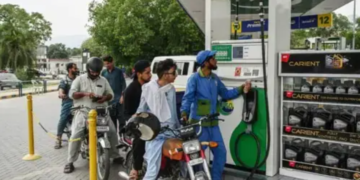
Pakistan, which depends heavily on LNG imports from Qatar, has begun rationing energy by implementing a four-day work week. Energy-intensive sectors like fertilisers and textiles are seeing reduced activity.
“There is a demand destruction process going on,” said Iqbal Ahmed, Chairman and CEO of Pakistan GasPort.
In India, industries such as petrochemicals and ceramics have also been affected, according to market participants.
Meanwhile, the United States—the world’s largest LNG exporter—is unlikely to fully offset the supply gap, as its export facilities are operating near full capacity and most output is tied to long-term contracts.
“There’s just no way to easily replace the lost volumes, and no amount of portfolio optimisation or cargo swaps will bridge the gap between the lost supply and current demand… which is a significant blow to energy security for those countries that are relying on those volumes,” said Seb Kennedy, an independent analyst.
The crisis may accelerate a shift toward alternative energy sources in Asia, potentially leading to long-term reductions in LNG demand.
China, the world’s largest LNG importer, has already been reducing reliance on LNG by boosting domestic production, increasing pipeline imports from Russia, and expanding renewable energy capacity.
However, major importers like Japan and South Korea are expected to maintain their LNG procurement strategies due to limited domestic energy alternatives.
“I don’t think the fundamental fact that the Middle East – and Qatar in particular – plays an important role will change,” said Ryosuke Tsugaru of Japan’s top LNG buyer, JERA.