



























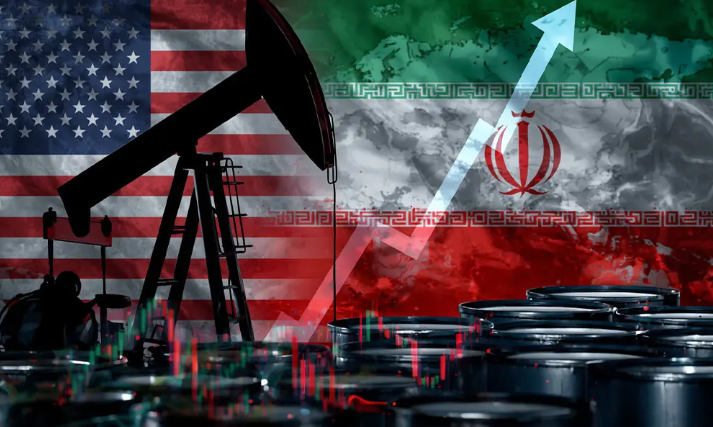
Oil prices climbed almost 2% on Tuesday, extending earlier gains as efforts to resolve the conflict between the US and Iran remain stalled, with the critical Strait of Hormuz still largely closed and disrupting global energy supplies.

According to reports, Donald Trump is dissatisfied with Iran’s latest proposal to end the war. Iranian sources indicated that Tehran’s offer avoids addressing its nuclear programme until hostilities cease and disputes over Gulf shipping are settled.
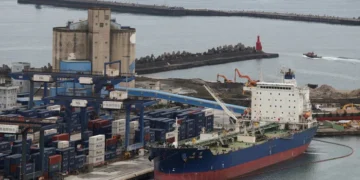
The lack of agreement has left the situation deadlocked, with Iran restricting shipping through the Strait of Hormuz—responsible for roughly 20% of global oil and gas flows—while the US continues its blockade of Iranian ports.
Benchmark Brent crude futures for June rose $2.32, or 2.1%, to $110.55 per barrel by 0638 GMT, after gaining 2.8% in the previous session, marking their highest close since early April.
Meanwhile, US West Texas Intermediate (WTI) crude for June increased by $1.80, or 1.9%, to $98.17 per barrel, following a 2.1% rise in the prior session.
Earlier negotiations between the US and Iran broke down last week after unsuccessful direct talks.
Priyanka Sachdeva, senior market analyst at Phillip Nova, said that discussions around peace remain largely superficial and lack clear signs of de-escalation. She noted that restricted vessel movement through the Strait of Hormuz continues to keep oil risk premiums elevated.
Shipping data showed significant disruption, with six Iranian oil tankers reportedly forced to turn back due to the US blockade.
However, a liquefied natural gas tanker operated by Abu Dhabi National Oil Company (ADNOC) successfully crossed the strait and was nearing India, according to tracking data. Before the conflict, which began on February 28, around 125 to 140 vessels passed through the waterway daily.
Analysts suggest that elevated oil prices may persist. Suvro Sarkar of DBS Bank said the situation could shift toward a prolonged ceasefire “limbo,” with prices expected to range between $100 and $125 per barrel.
“With no immediate deal and an indefinite ceasefire providing no certainty on whether the Strait is open or closed, oil prices will trend higher as physical markets catch up with paper markets.
Eventually, the conflict will become ‘normalised’ in financial markets, leading to less volatility but a higher baseline,“ he said.