











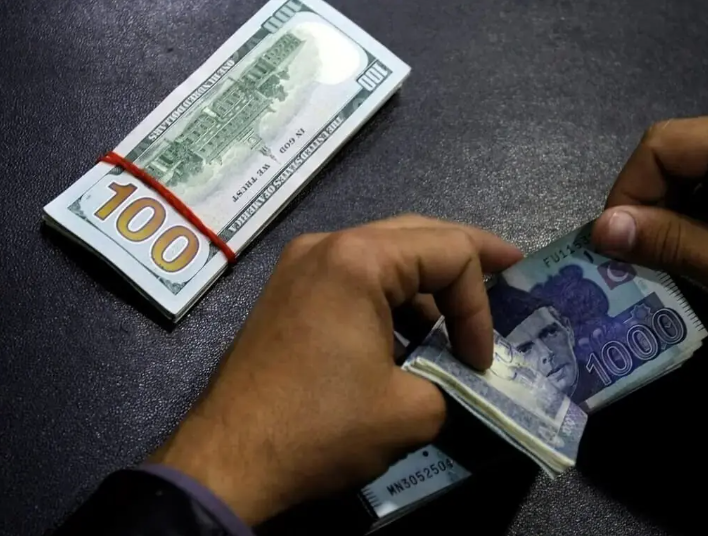
Pakistan is negotiating with China and Saudi Arabia to arrange funds for repaying a roughly $3 billion loan owed to the United Arab Emirates (UAE), according to a Bloomberg report citing informed sources.

This move follows Pakistan’s inability to secure an extension on the loan from the UAE for the first time in seven years, forcing the country to explore alternative financing options. The total financial assistance being discussed exceeds $3.5 billion.
The UAE had proposed a shorter rollover period of less than a year, which Pakistan declined. Despite this, Pakistan’s Ministry of Foreign Affairs has described the repayment as a “routine financial transaction,” as reported by Bloomberg.
The loan has been extended multiple times since 2018, including a $3 billion facility carrying approximately 6% annual interest. Earlier this year, the arrangement shifted from yearly to monthly extensions before Pakistan opted to repay the full amount, with settlement expected by April 23, according to a government official cited by Reuters.
This repayment comes as Pakistan aims to raise its foreign exchange reserves above $18 billion by June under a $7 billion International Monetary Fund (IMF) programme, which requires continued rollover of bilateral deposits.
Separately, Anadolu Agency reported—citing Pakistani sources—that Saudi Arabia and Qatar are expected to provide $5 billion in financial assistance. This support would help Pakistan manage pressure on its foreign reserves while meeting external payment obligations through June.
As of April 3, 2026, the State Bank of Pakistan (SBP) held foreign exchange reserves of $16.40 billion.
Bloomberg also highlighted that Pakistan and Saudi Arabia have been strengthening their economic and security cooperation in recent months, amid cooling ties between Saudi Arabia and the UAE.
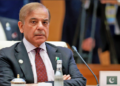
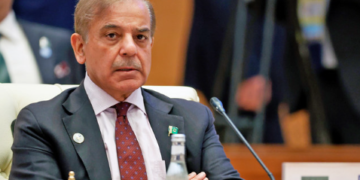
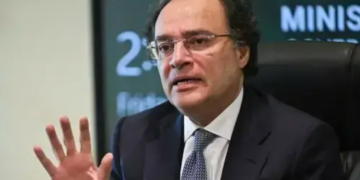
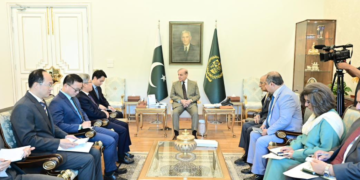
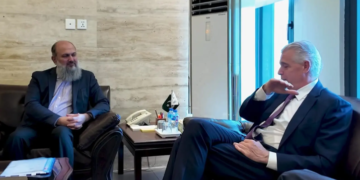
Saudi Finance Minister Mohammed bin Abdullah Al-Jadaan recently met Prime Minister Shehbaz Sharif in Islamabad. At the same time, Pakistan continues to maintain strong economic relations with China and is working to initiate the next phase of the China-Pakistan Economic Corridor, the report added.